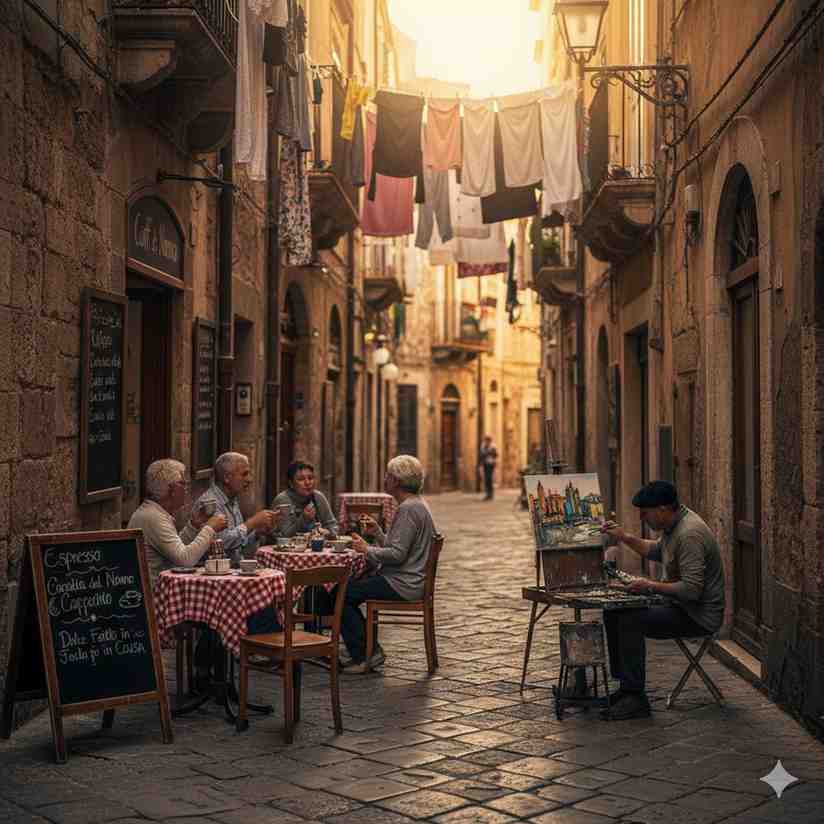
While famous landmarks and popular attractions have their place, the most memorable travel experiences often happen in unexpected places—local markets, neighborhood cafes, community events, and places where everyday life unfolds. Discovering these hidden gems requires a shift in perspective: moving from checklist tourism to immersive exploration, from following crowds to following curiosity. This approach not only creates more meaningful experiences but also supports local communities and provides deeper cultural understanding.
Shifting Your Travel Mindset
Finding authentic experiences begins with changing how you approach travel. Instead of focusing solely on must-see attractions, prioritize understanding local life, culture, and rhythms. This doesn't mean avoiding famous sites entirely—it means balancing them with experiences that reveal how people actually live, work, and celebrate in the places you visit.
Authentic travel requires curiosity, flexibility, and willingness to step outside comfort zones. It means sometimes getting lost, trying foods you can't pronounce, and engaging with people whose language you don't speak. These moments of uncertainty often lead to the most rewarding discoveries.
Research Strategies for Finding Hidden Gems
Local Blogs and Alternative Guides
Move beyond mainstream travel guides to local blogs, alternative city guides, and community publications. These sources reveal places locals actually frequent: neighborhood restaurants, local markets, community centers, and cultural venues that don't appear in tourist brochures. Look for blogs written by residents, not travel influencers.
Social Media Deep Dives
Use social media strategically: search location tags in the local language, follow local photographers and artists, and explore neighborhood-specific hashtags. Instagram and TikTok can reveal current local hotspots, but verify these aren't just influencer-created destinations. Look for posts by locals, not just tourists.
Maps and Neighborhood Exploration
Study maps to identify residential neighborhoods, local markets, and areas away from tourist centers. Walk or use public transportation to reach these areas. Often, the journey itself reveals interesting places—street art, local shops, community gardens, and everyday scenes that provide authentic glimpses into local life.
Connecting with Local Communities
Local Markets and Food Halls
Markets offer authentic experiences: they're where locals shop, socialize, and maintain traditions. Visit early morning markets where vendors set up, or evening markets where families gather. Don't just observe—engage. Ask vendors about their products, try samples, and learn about local ingredients and cooking methods.
Community Events and Festivals
Research local events happening during your visit: neighborhood festivals, cultural celebrations, farmers markets, art walks, or community gatherings. These events provide authentic cultural experiences and opportunities to interact with locals in natural settings. Check community calendars, local newspapers, or ask at your accommodation.
Local Classes and Workshops
Participate in activities locals enjoy: cooking classes, craft workshops, language exchanges, or fitness classes. These experiences provide structured ways to meet locals while learning about their culture and interests. Look for classes taught by locals in their own spaces, not tourist-oriented versions.
Timing and Avoiding Crowds
Timing dramatically affects your experience. Visit popular sites early morning or late evening when crowds thin. Explore neighborhoods during weekday mornings when locals go about daily routines. Evening hours reveal local nightlife and dining scenes. Off-season travel provides more authentic experiences with fewer tourists.
Consider reverse tourism: visit places when locals visit them. If a site is popular with local families on weekends, that's when you'll see authentic use. If locals avoid a place during certain times, there's usually a reason worth understanding.
Transportation and Getting Around
How you move through a place affects what you discover. Walking reveals details cars miss: architectural details, street life, local businesses, and neighborhood character. Public transportation provides glimpses into daily commutes and local routines. Biking offers middle ground—covering more distance while maintaining connection to surroundings.
Venture beyond city centers. Suburbs, smaller towns, and rural areas often provide more authentic experiences with fewer tourist influences. Day trips to nearby communities can reveal different aspects of regional culture and lifestyle.
Food as Cultural Gateway
Food provides one of the most accessible ways to experience authentic culture. Eat where locals eat: neighborhood restaurants, food stalls, family-run establishments, and places without English menus. These venues often serve more authentic cuisine at better prices than tourist restaurants.
Learn basic food vocabulary in the local language. Being able to order, ask about ingredients, or compliment the chef opens doors to interactions and recommendations. Food markets, cooking classes, and food tours led by locals provide deeper culinary understanding.
Building Local Connections
Conversation and Engagement
Engage with people: shopkeepers, restaurant staff, fellow public transportation riders, or people in parks. Learn basic greetings and phrases in the local language. Most people appreciate attempts to communicate in their language, even if imperfect. These interactions often lead to recommendations and invitations.
Volunteering and Cultural Exchange
Consider short-term volunteering or cultural exchange opportunities. These experiences provide structured ways to contribute while learning about local life. Research legitimate organizations that benefit communities rather than creating dependency or exploiting situations.
Respecting Local Culture
Authentic travel requires cultural sensitivity. Research local customs, dress codes, and behavioral expectations. Understand that you're a guest observing someone else's daily life. Be respectful of privacy, ask permission before photographing people, and support local businesses rather than international chains.
Recognize that authentic experiences aren't performances for tourists—they're real life. Don't expect locals to accommodate your expectations or speak your language. Approach with humility, curiosity, and respect for the places and people you encounter.
Documenting Authentic Experiences
Document your discoveries thoughtfully. Take photos that capture atmosphere and context, not just selfies at landmarks. Keep notes about places, people, and experiences. These memories become more valuable over time than standard tourist photos. Share discoveries responsibly, considering whether publicizing hidden gems might change their character.
Conclusion: The Journey Beyond the Guidebook
Finding hidden gems and authentic experiences transforms travel from consumption to exploration. It requires curiosity, flexibility, and willingness to step off beaten paths. The rewards include deeper cultural understanding, meaningful connections, and memories that last far longer than typical tourist experiences.
Start small: on your next trip, dedicate one day to exploring without a guidebook. Walk in a direction that looks interesting. Eat at a restaurant with no English menu. Visit a local market. Talk to someone. These simple acts open doors to experiences that reveal the true character of places and create travel memories that go far beyond postcard views.