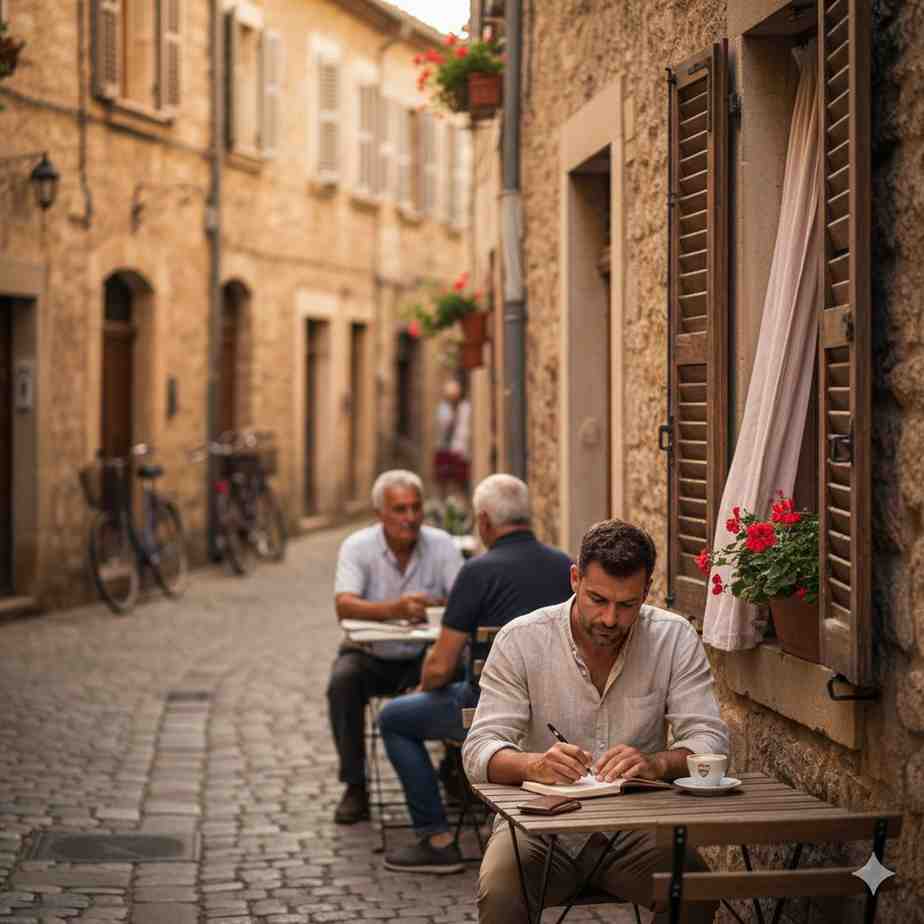
Slow travel represents a fundamental shift from checklist tourism to immersive exploration. Rather than rushing through multiple destinations, slow travel encourages spending extended time in fewer places, allowing deeper understanding of local culture, rhythms, and ways of life. This approach creates more meaningful experiences, reduces environmental impact, and supports local communities more effectively than traditional fast-paced tourism.
The Philosophy of Slow Travel
Slow travel prioritizes depth over breadth, quality over quantity, and connection over consumption. It's about allowing time for serendipity, for routines to develop, for relationships to form, and for understanding to deepen. This philosophy recognizes that true cultural immersion requires time—time to observe daily rhythms, learn local customs, and move beyond surface-level experiences.
This approach aligns with the slow movement that values quality, sustainability, and mindfulness over speed and accumulation. It's not about being lazy or unambitious—it's about being intentional and present, choosing experiences that provide lasting value over those that merely check boxes.
Benefits of Extended Stays
Deeper Cultural Understanding
Spending weeks or months in a place allows you to move beyond tourist experiences into authentic local life. You learn not just what people do, but why they do it. You understand cultural nuances, social dynamics, and historical contexts that brief visits can't reveal. This depth of understanding transforms travel from observation to participation.
Meaningful Relationships
Extended stays create opportunities for genuine relationships with locals: neighbors, shopkeepers, fellow regulars at cafes, and community members. These relationships provide insights into local life, invitations to events, and friendships that extend beyond your visit. They're the human connections that make travel truly memorable.
Reduced Environmental Impact
Staying longer in one place reduces transportation emissions from frequent flights or long-distance travel. You develop local routines, use public transportation, and contribute to local economies more sustainably. This approach aligns travel with environmental responsibility.
Planning for Slow Travel
Choosing Your Base
Select locations that offer enough depth to sustain extended exploration: cities with rich cultural scenes, regions with diverse landscapes, or areas with strong local character. Consider factors like cost of living, infrastructure, safety, and visa requirements. Research neighborhoods that offer authentic local experiences rather than tourist zones.
Accommodation Strategies
For extended stays, consider apartments, house-sitting, or long-term rentals rather than hotels. These options provide space, kitchens, and opportunities to live like locals. They're often more cost-effective for longer periods and offer better integration into neighborhoods. Look for places where you can establish routines and feel at home.
Budget Considerations
Slow travel can be more economical than fast travel. Extended stays often qualify for discounts, cooking at home reduces food costs, and you avoid constant transportation expenses. However, plan for realistic budgets that account for living expenses, not just travel costs. Research local costs for groceries, transportation, and activities.
Building Local Routines
Establish routines that connect you to local life: a regular cafe, a favorite market, a walking route, or a community activity. These routines create familiarity, help you understand local rhythms, and provide opportunities for regular interactions with locals. Routines transform you from observer to participant.
Learn basic language skills. Even limited proficiency opens doors and shows respect for local culture. Take language classes, practice with locals, and use language learning apps. Communication ability dramatically enhances slow travel experiences.
Exploring Beyond the Surface
With time, you can explore beyond initial attractions. Visit places multiple times in different seasons or times of day. Discover neighborhood secrets, local events, and community spaces. Read local literature, watch local films, and engage with local media to deepen understanding.
Take day trips to nearby areas, exploring the region around your base. These excursions provide variety while maintaining your home base. They also reveal how your location fits into broader regional contexts and cultures.
Contributing to Local Communities
Slow travel provides opportunities to contribute meaningfully. Volunteer with local organizations, support local businesses consistently, participate in community events, or share skills through teaching or workshops. These contributions create reciprocal relationships and positive impacts.
Be mindful of your presence and impact. Understand local concerns about tourism, respect community norms, and support sustainable practices. Your extended stay means you have more responsibility to be a positive presence.
Overcoming Challenges
Extended travel presents challenges: homesickness, language barriers, cultural misunderstandings, and the logistics of longer stays. Address these proactively: maintain connections with home, continue learning the language, seek cultural guidance, and plan for practical needs like healthcare and banking.
Balance exploration with rest. Slow travel doesn't mean constant activity—it means intentional activity. Allow downtime, maintain self-care routines, and recognize when you need breaks. Sustainable travel requires managing energy and well-being.
Digital Nomadism and Slow Travel
For remote workers, slow travel offers ideal opportunities to combine work and exploration. Extended stays provide stability for productivity while allowing cultural immersion. Choose locations with reliable infrastructure, co-working spaces, and communities of digital nomads if desired.
Balance work and exploration. Set boundaries that allow both productivity and cultural engagement. Use your extended time to build routines that support both professional responsibilities and travel experiences.
Conclusion: The Value of Depth
Slow travel transforms tourism from consumption to exploration, from checking boxes to building understanding. It requires letting go of the pressure to see everything and instead embracing the value of experiencing fewer places more deeply. This approach creates memories that last, relationships that matter, and understanding that changes perspectives.
Whether you have weeks, months, or longer, slow travel principles can enhance any trip. Spend more time in fewer places. Build routines. Learn the language. Make connections. Allow serendipity. These practices create travel experiences that go beyond sightseeing to become genuine cultural immersion and personal growth.